Morning mobility
Compact five-to-ten-minute sequences for shoulders, side bends, upper-body rotation, hips, ankles, and calm breathing.
Read morning guidesStronger Every Morning is an informational lifestyle blog for men who want to stay active, flexible, and consistent with everyday routines. Explore gentle movement guides, structured pelvic-floor exercises, beginner yoga plans, nutrient-focused food ideas, and practical habits for calmer evenings and better-organised weeks.

Trusted for calm, practical structure
Many routines fail because they are built around perfect weeks, long sessions, or sudden changes. Stronger Every Morning takes the opposite approach: start with a comfortable pace, choose a small action, and connect it to a moment that already exists in your day.
Long plans create friction. We break them into short blocks with clear time estimates and comfortable variations.
Every guide uses plain language, simple sequencing, breathing reminders, and an emphasis on slow, controlled movement.
Our plans include rest days, light walking, flexible timing, and easy food ideas for busy or lower-energy days.

Regularity, comfort, and useful information without pressure.
Stronger Every Morning was shaped as a Poznań-based editorial project for readers who prefer clear guidance over dramatic claims. The goal is to make everyday movement, balanced meals, sleep preparation, and weekly planning easier to understand and easier to repeat.
Short paragraphs, step-by-step instructions, and useful context for readers without previous exercise experience.
Food sources and nutrient information are presented without brands, sales pressure, or product endorsements.
Every routine encourages readers to choose the variation that feels comfortable and to avoid unnecessary tension.
Rest, calm evenings, and realistic sleep preparation are treated as part of a balanced active week.
Each content format solves a different planning problem while keeping the same calm, educational tone.
Compact five-to-ten-minute sequences for shoulders, side bends, upper-body rotation, hips, ankles, and calm breathing.
Read morning guidesBeginner-friendly evening exercises organised by day, with repetition ranges, breathing cues, and reminders to relax surrounding muscles.
Explore evening routinesWeekly beginner schedules that alternate mobility, balance, longer stretching sessions, light walking, and recovery days.
Open the weekly planFood-first ideas featuring vitamin D, magnesium, zinc, protein foods, whole grains, vegetables, and practical plate combinations.
Browse food ideasSimple evening transitions, screen-light boundaries, room preparation, and repeatable bedtime cues for a calmer end to the day.
See rest guidesPrintable-style schedules that combine movement, meals, breaks, outdoor time, and flexible alternatives for busy days.
Plan seven days
Use this compact sequence as a gentle transition into the day. Keep every movement slow and controlled, breathe normally, and reduce the range whenever a smaller movement feels more comfortable.
Lift and release the shoulders, then make small comfortable circles without forcing the neck.
Reach one arm upward and lean slightly to the opposite side while keeping both feet steady.
Turn through the upper body with relaxed arms and a stable lower body.
Make small hip circles, then lift one heel at a time to move through the ankles.
Inhale while reaching upward, then exhale as the arms lower and the shoulders soften.
Treat these as a calm coordination practice rather than a test of effort. Keep the jaw, shoulders, abdomen, and legs relaxed. Stop if the exercise feels uncomfortable.
Lightly engage the pelvic-floor area for three seconds, then fully release for five seconds. Repeat six times while breathing normally.
Duration: about 1 minute · Repetitions: 6Use five light, brief contractions followed by a longer relaxed pause. Repeat the set three times without tightening the legs.
Duration: about 2 minutes · Sets: 3Inhale and relax. Exhale and use a very gentle lift, then release completely before the next breath.
Duration: 8 slow breaths · Keep effort light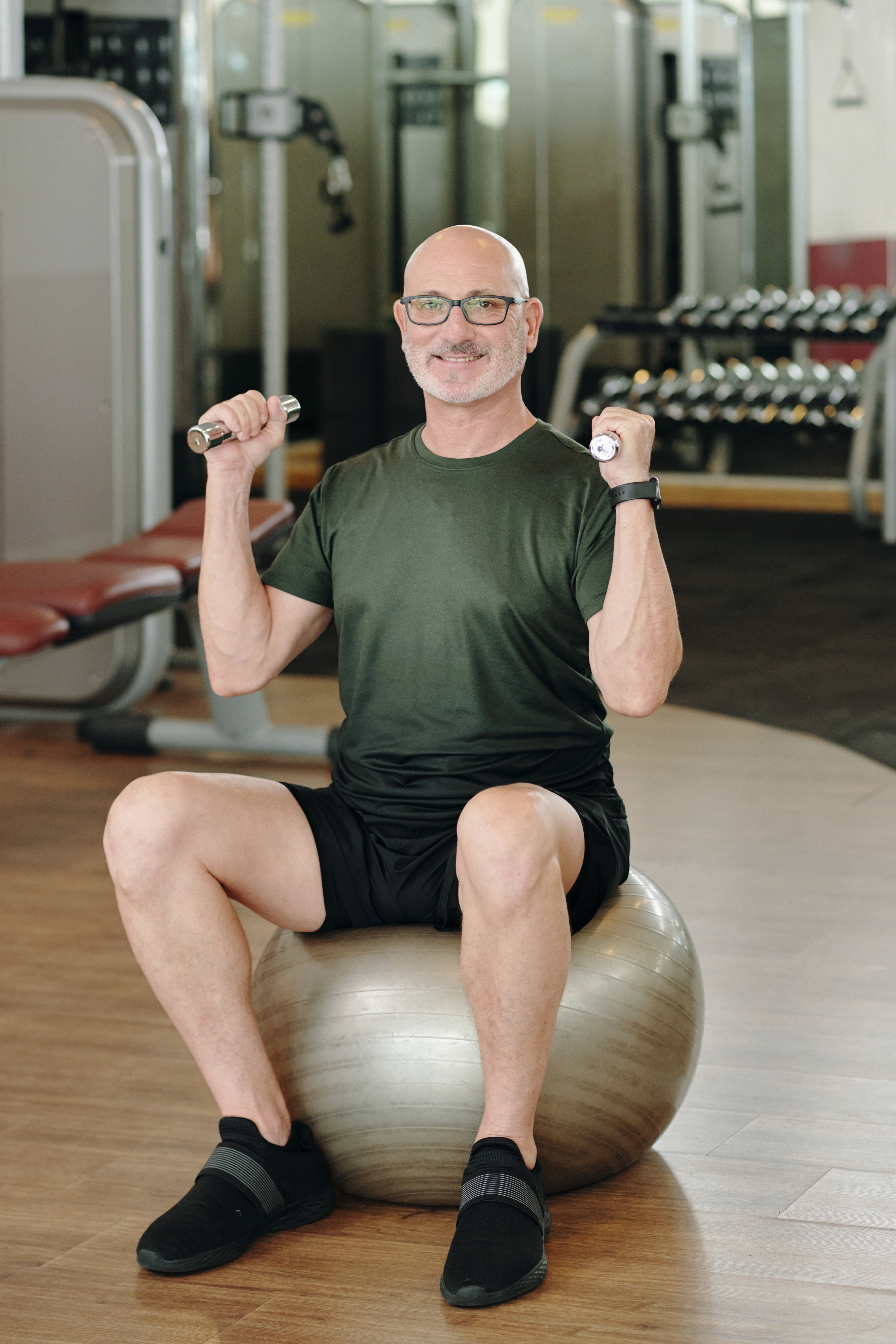
The process begins with observation, not pressure. Choose one starting point, connect it to your day, review how it feels, and add only what remains manageable.
Pick a reliable moment such as after waking, after lunch, or before your evening wash routine.
Use a five-minute movement block, one balanced meal idea, or a short bedtime preparation cue.
Focus on regularity rather than intensity. Mark completed days without judging the missed ones.
Keep what felt natural. Shorten, move, or replace anything that created unnecessary friction.
Morning, daytime, food, evening, and rest ideas are already organised for you.
These composite scenarios show how a routine can be adapted to different schedules. They are examples, not promises of a particular outcome.
He places the five-minute mobility sequence between making coffee and checking messages. On two evenings, he adds the short body-awareness routine. His weekly goal is simply to protect the same time slot.
He uses the seven-day plan as a menu rather than a strict calendar. Walking moves to whichever day has better weather, while the longer yoga practice stays on Saturday morning.
He keeps movement brief during the week and focuses on a calmer evening transition: light stretching, preparing breakfast, dimmer lighting, and a consistent time for bed.
A balanced routine combines movement, food, and rest in proportions that fit the person’s actual week. The aim is not to fill every day with tasks. It is to make a few helpful actions easy to recognise and easy to repeat.
Choose the variation that feels comfortable. Shorten the session, reduce the range, or take a rest day whenever that makes the routine more sustainable.
Morning movement does not need to be complex. A useful sequence may begin with shoulder rolls, continue with side stretches and small upper-body rotations, and finish with hip and ankle mobility. The main purpose is to move through several comfortable directions before the day becomes busy.
Yoga can support everyday flexibility by combining slow transitions, steady breathing, balance, and attention to position. A weekly beginner plan may include one hip-focused session, one full-body stretch, one longer weekend practice, and several days of walking or rest. Gradual progress is more useful than forcing a deeper position.
Body-awareness exercises can be placed in a quiet evening moment. Keep the effort light, avoid holding the breath, and allow a complete release after each repetition. The surrounding muscles should stay as relaxed as possible. Two or three short sessions per week can be easier to organise than a demanding daily target.
Use our structured seven-day page to combine short morning stretches, balanced food ideas, beginner yoga, evening relaxation, and realistic rest days.
All answers are general and educational. They do not constitute individual recommendations.
The best time is the one that fits naturally into a person’s schedule. Morning movement can create an active start, while evening stretching may help release tension from ordinary daily activity. Regularity is more important than choosing one specific hour.
Gentle stretching can be included on most days when the movements remain slow and comfortable. Short sessions of five to ten minutes are often easier to maintain than occasional long sessions. Rest days and lighter alternatives should remain part of the plan.
Common food sources include meat, seafood, pumpkin seeds, beans, lentils, dairy products, eggs, and whole grains. A varied diet provides a broader combination of essential nutrients than relying on one food alone.
Yes. The plan uses beginner-friendly ideas and encourages short sessions, supported positions, and comfortable ranges of movement. Start with the simplest variation and increase the duration only when the practice remains easy to organise.
A basic routine can take approximately five minutes. It may include shoulder movements, gentle rotations, side stretches, hip mobility, ankle movements, and calm breathing. Even a shorter version can be useful on busy mornings.
Daily intense activity is not necessary. A balanced week can include stretching, yoga, walking, light mobility exercises, and rest days. The schedule should be adjusted according to comfort, available time, and personal activity levels.
A consistent bedtime, reduced screen use before sleep, a calm evening routine, comfortable room temperature, and regular daytime activity may create better conditions for rest. The most useful routine is one that can be repeated without turning bedtime into another demanding task.
Information notice: The materials on Stronger Every Morning are provided for general informational purposes only and do not constitute individual recommendations. Personal needs and physical abilities vary.